Buying or marketing a home is a significant monetary relocation, and while aesthetic appeals frequently steal the spotlight, the actual worth of a residential property exists beneath the surface. That's where residential residential property inspections can be found in. These professional examinations act as a vital action in the realty procedure, providing understandings that safeguard financial investments and make sure tranquility of mind.
What Are Home Inspections?
A residential property inspection is an extensive, non-invasive evaluation of a home's major systems and architectural integrity. Carried out by a skilled inspector, this procedure covers whatever from the foundation to the roof, making sure that the building is safe, practical, and without major defects.
These evaluations are generally performed before a residential property adjustments hands, offering buyers and sellers a clearer understanding of its condition. Whether it's a freshly built home or an older structure, an appropriate assessment identifies issues that might Check out this site or else go unnoticed.
Why Buyers Ought to Never Skip an Inspection
When feelings run high during the home acquiring procedure, it's appealing to rush through the actions to safeguard the dream home. Nonetheless, avoiding a house examination might cause serious regret. Hidden plumbing leaks, malfunctioning wiring, or fundamental cracks can transform a dream home into a financial nightmare.
A professional inspection offers purchasers the possibility to renegotiate or request fixings before shutting. It's a positive approach that helps prevent future surprises and outfits customers with the expertise to make enlightened decisions.
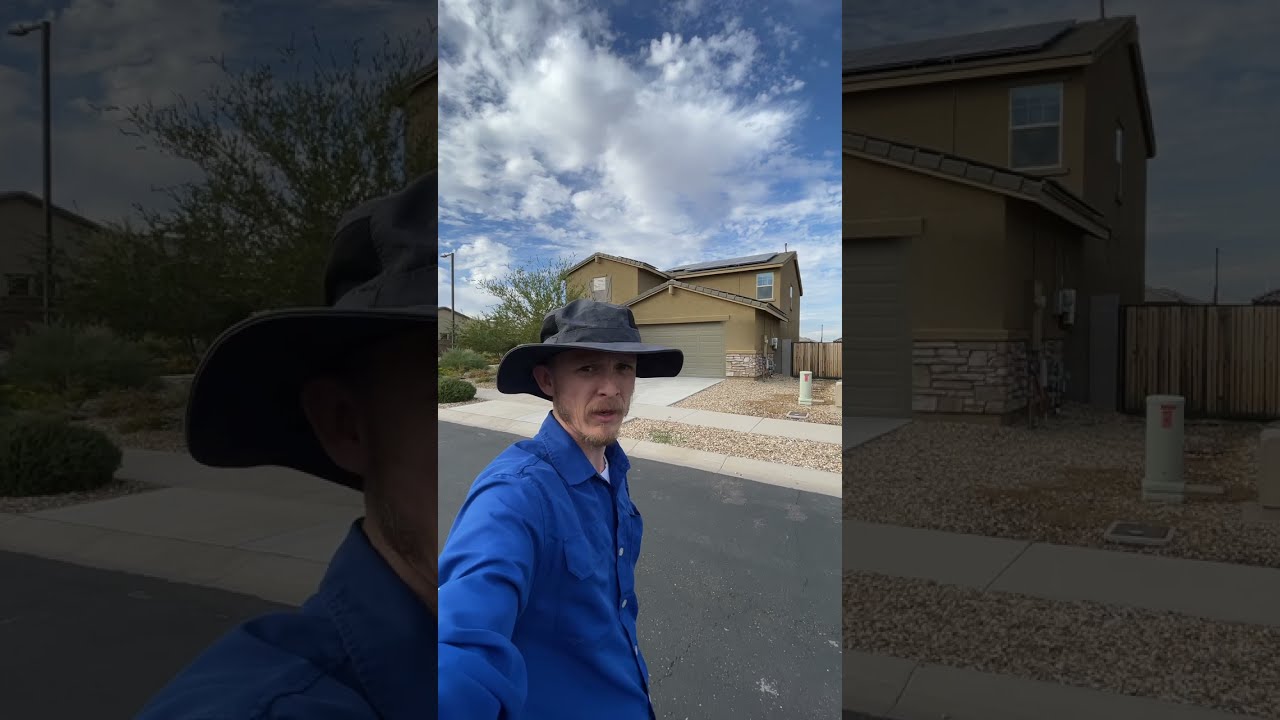
Inspections for Vendors: A Strategic Advantage
While examinations are frequently associated with buyers, vendors likewise benefit from conducting one before providing their residential property. A pre-listing evaluation allows the house owner to identify and repair troubles in advance, boosting the home's discussion and minimizing the chances of last-minute settlements or deal-breakers.
This openness constructs trust fund with possible customers and can also warrant a higher asking cost. In today's open market, a vendor who uses examination documentation upfront demonstrates sincerity and preparedness-- qualities that attract significant buyers.
What Does a Residential Assessment Cover?
- Structural elements: foundation, walls, ceilings, floors, and roof structure Roofing system: shingles, flashing, seamless gutters, and ventilation Electrical system: wiring, circuit breakers, electrical outlets, and fixtures Plumbing: pipes, hot water heater, components, and drainage HVAC systems: furnaces, a/c devices, ductwork, and thermostats Interior and exterior conditions: siding, doors, windows, insulation, and noticeable mold and mildew or pests
After the assessment, a comprehensive report is given, usually consisting of pictures and notes on issues or maintenance worries. This record comes to be an essential tool for settlement or future upkeep.

The Value of Selecting the Right Inspector
Not all examiners use the same level of service. Picking a licensed, seasoned expert guarantees that the inspection is performed thoroughly and ethically. Examiners should have an eager eye for detail, updated training, and a commitment to client education.
Companies like Cornerstone Home Inspectors are understood for providing reputable, comprehensive home assessments. Their group assists clients navigate property decisions with confidence, many thanks to years of hands-on experience and an enthusiasm for high standards.
Modern Devices Make a Difference
Today's inspectors utilize innovative devices such as infrared thermography, dampness meters, and drones to identify hidden concerns that are undetectable to the nude eye. These tools improve the precision of inspections, making certain that no corner of the building is overlooked.
By integrating modern technology into the process, assessors can give more thorough understandings, helping clients recognize the complete range of a home's condition before making decisions.
Common Issues Found During Residential Inspections
- Roof leaks or used shingles Outdated or dangerous electric systems Leaky plumbing or water heater problems Poor insulation or ventilation Foundation fractures or settlement Mold or wetness damage in cellars and creep spaces
By dealing with these issues early, both purchasers and sellers can prevent pricey surprises down the road.
Conclusion: Understanding is Power
In the globe of real estate, info is everything. Residential building inspections give the expertise required to make audio choices, prevent hidden pitfalls, and make certain that homes are secure and comfortable for several years to come.
Whether acquiring a very first home, marketing a longtime house, or investing in a building, an assessment is more than just a box to inspect-- it's a critical component of securing one's investment. By collaborating with a trusted examination team, property owners acquire the clearness and confidence they require to progress with tranquility of mind.